
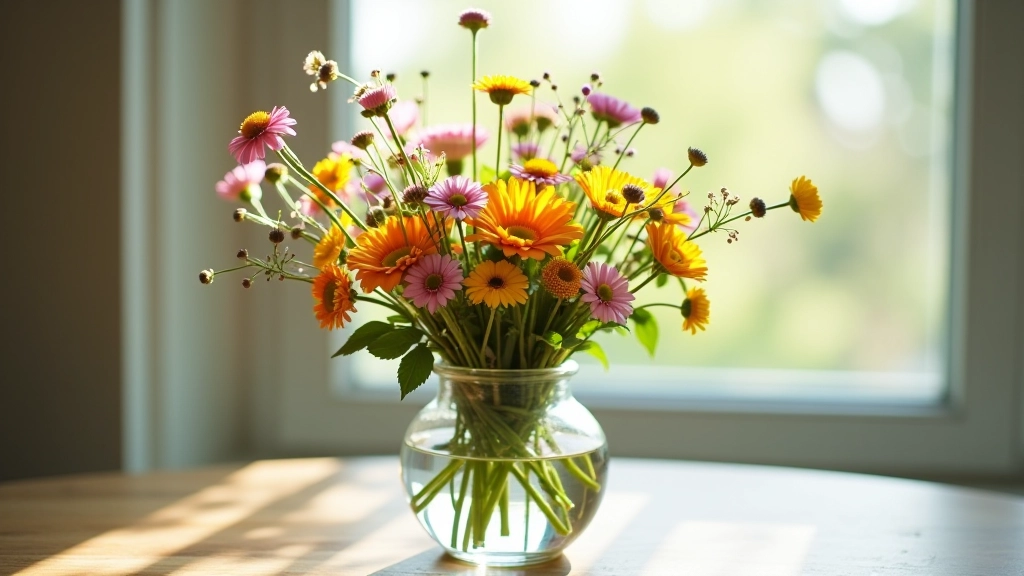
Wildflower Care: Keeping Your Bouquet Fresh Longer
Simple techniques for extending the life of your meadow flowers. We cover water changes, stem cutting, and placement tips that actually work.
Read more →What blooms when in our skanbell meadows throughout the year. We've mapped out the flowering calendar so you'll know what to expect in spring, summer, autumn, and winter.
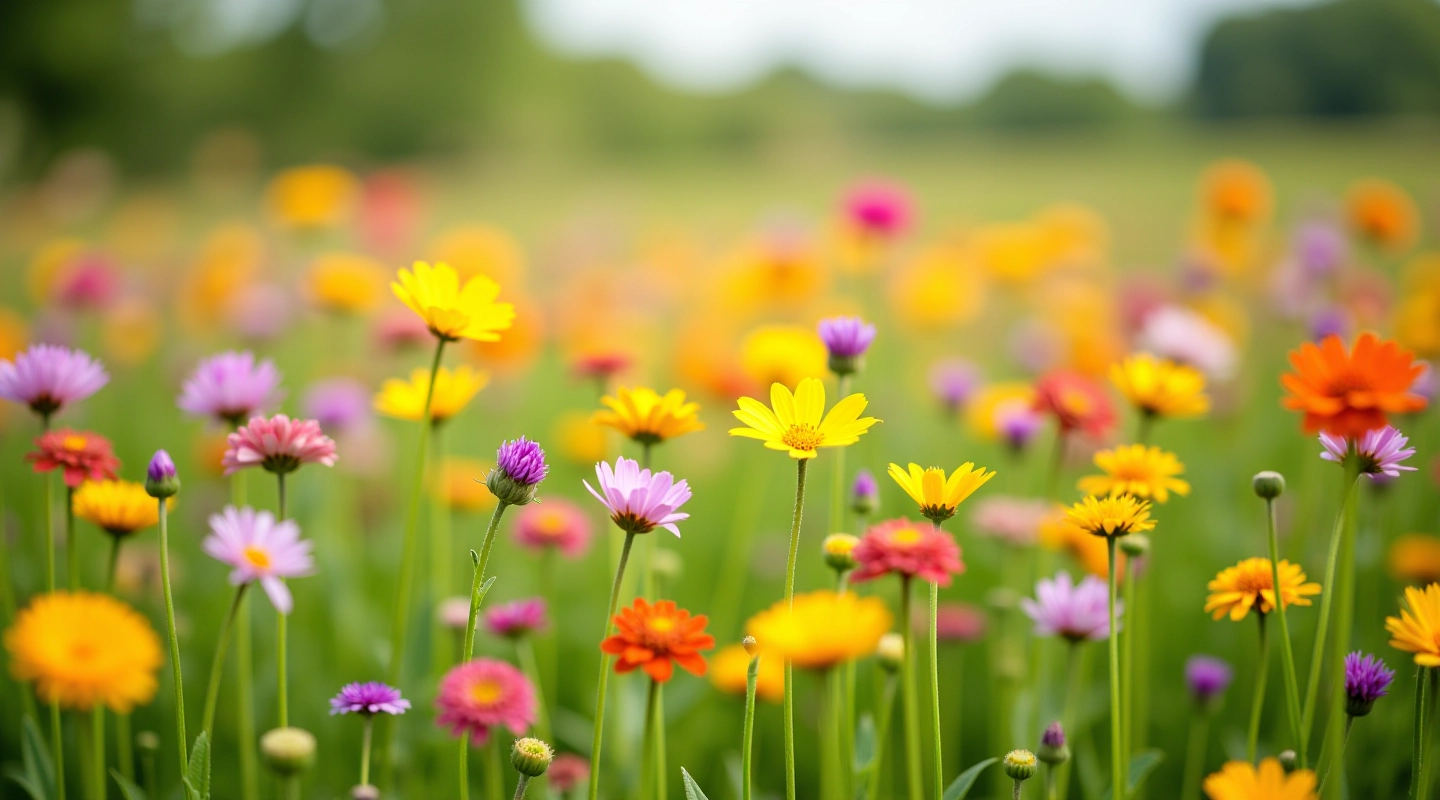
Skanbell's meadows transform throughout the year. Each season brings its own character, and knowing when flowers peak helps you understand what we're harvesting and arranging. We've tracked blooming patterns across our sourcing areas for years now. It's not just about what looks pretty — it's about understanding the natural rhythm of these landscapes.
Spring starts slowly. Summer explodes with color. Autumn keeps surprising us. Winter's quieter, but even then, things are happening. This calendar shows you the real timeline — when you'll actually find each type of flower in our meadows.
Spring arrives late in Skanbell. By late April, the meadows wake up. Celandines and wood anemones appear first — delicate, almost apologetic about being here. Primrose comes next, with that pale yellow that feels like the meadow is testing the season.
May's the real event. Bluebells dominate entire sections. Dandelions take over in fields, bringing that cheerful yellow that makes you want to pick handfuls. Lady's smock appears in damper areas, adding a purple-pink layer. We're selective about what we harvest — focusing on the flowers that'll last in arrangements. Bluebells are stunning but don't hold well. Primrose and early cowslips do better for bouquets.
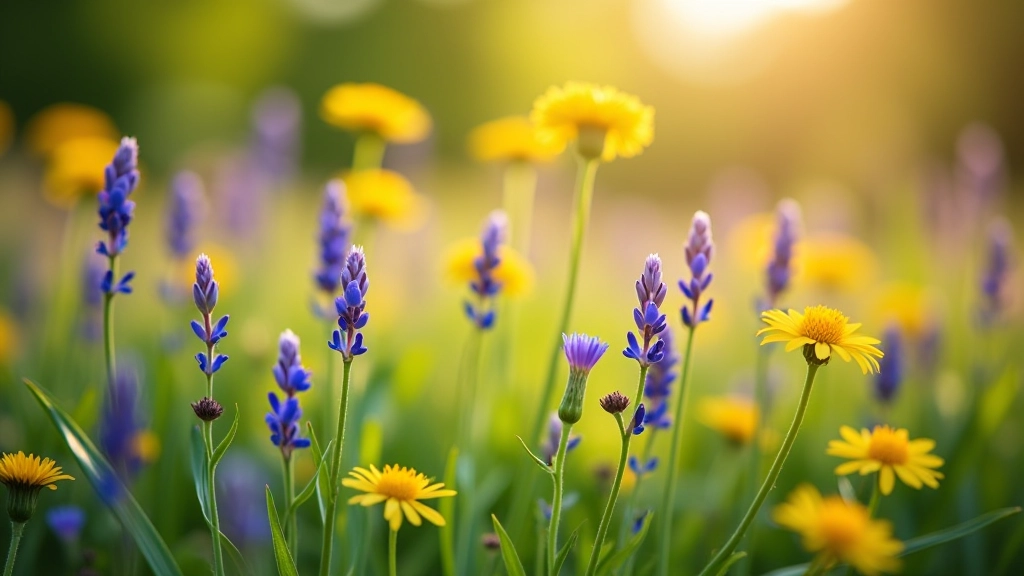
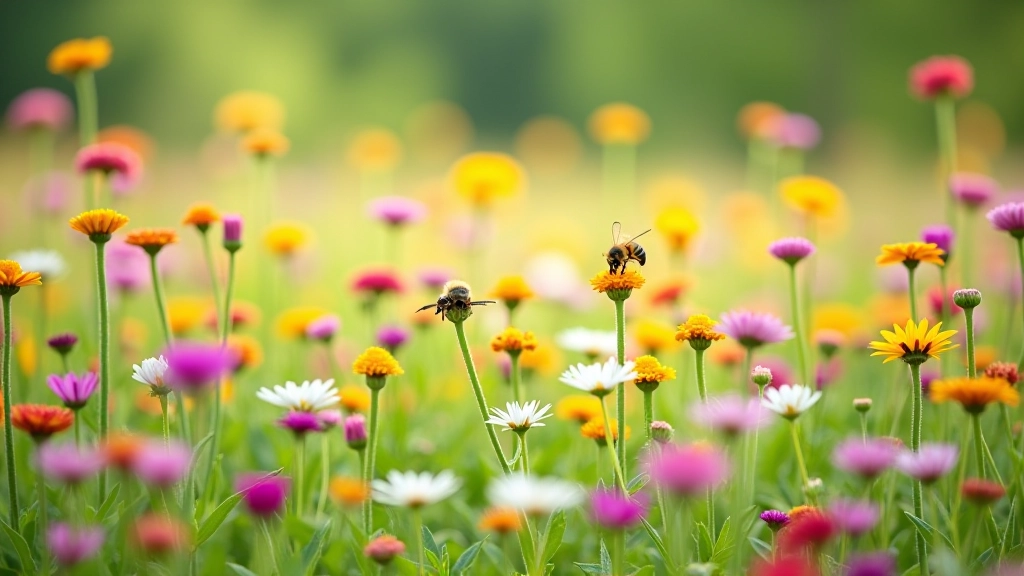
June marks the peak. Everything's flowering. The meadow becomes almost overwhelming — so much color you barely know where to look. Ragged Robin brings intense pink. Oxeye daisies create white drifts. Buttercups add brightness. Yarrow comes in white and pink varieties. Knapweed starts showing purple. Teasels emerge, still developing their distinctive shape.
July's even better for bouquets. We're harvesting constantly. Poppies appear late June, bringing that orange-red. Cornflowers add deep blue. Mallow shows up with its pale pink flowers. Scabious becomes reliable — purple varieties mostly. Vetches climb and tangle through everything. It's chaotic and beautiful.
August continues strong but starts shifting. The early bloomers fade. Later flowers intensify. Teasels develop their structure. Heather might start showing. Everything feels like it's reaching toward autumn already.
Late June through July is when we harvest most varieties. Flowers are at full strength, stems are sturdy, and color saturation is highest. This is when skanbell's meadows deliver their best.
September's still decent. Some flowers keep going. Heather strengthens — particularly the purple varieties. Teasels are fully developed now, almost sculptural. Goldenrod appears, bringing that warm yellow. Asters emerge late in the month. The meadow starts thinning though. There's space between flowers now where there wasn't in July.
October's quieter. Heather dominates. Asters continue. Late flowering thistles appear. The color palette shifts — warmer, more muted. Fewer species overall, but the ones flowering have real presence. Foliage becomes part of the arrangement's visual story.
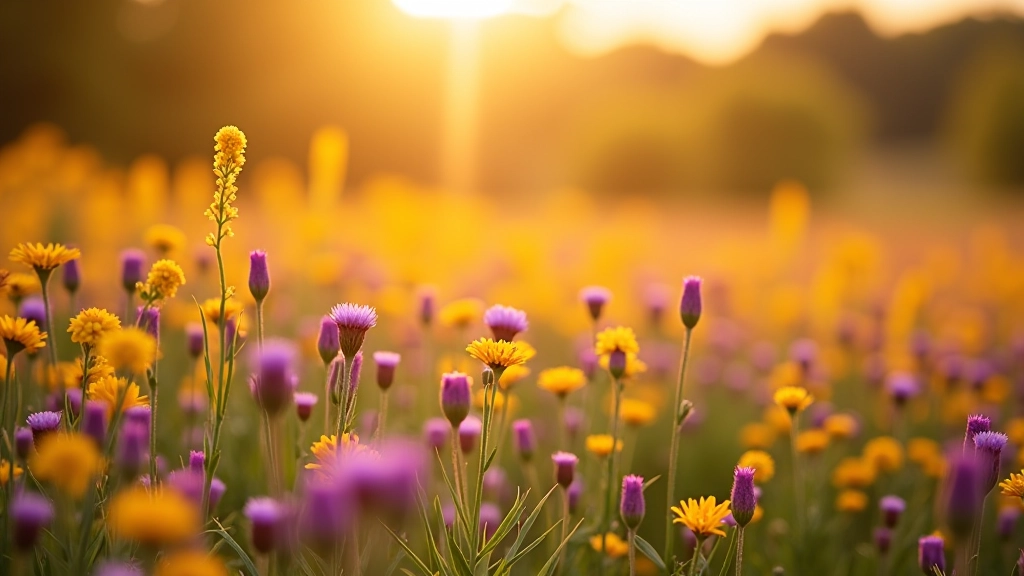
Winter's quiet. The meadows aren't blooming. It's the resting season. But that doesn't mean there's nothing to work with. We use seed heads, dried teasels, grasses, and evergreen foliage. These structural elements become essential to winter arrangements. Teasels are architectural. Grasses add texture. Dried flower heads bring unexpected beauty.
Late winter — February and early March — sometimes brings a few early bloomers. Hellebores might appear if conditions are right. Winter aconite occasionally shows. These are rare gifts, not something we plan around.
Winter arrangements focus on structure, texture, and form rather than color. Dried teasels, grasses, seed heads, and evergreen foliage create sophisticated, lasting arrangements that bridge the seasons.
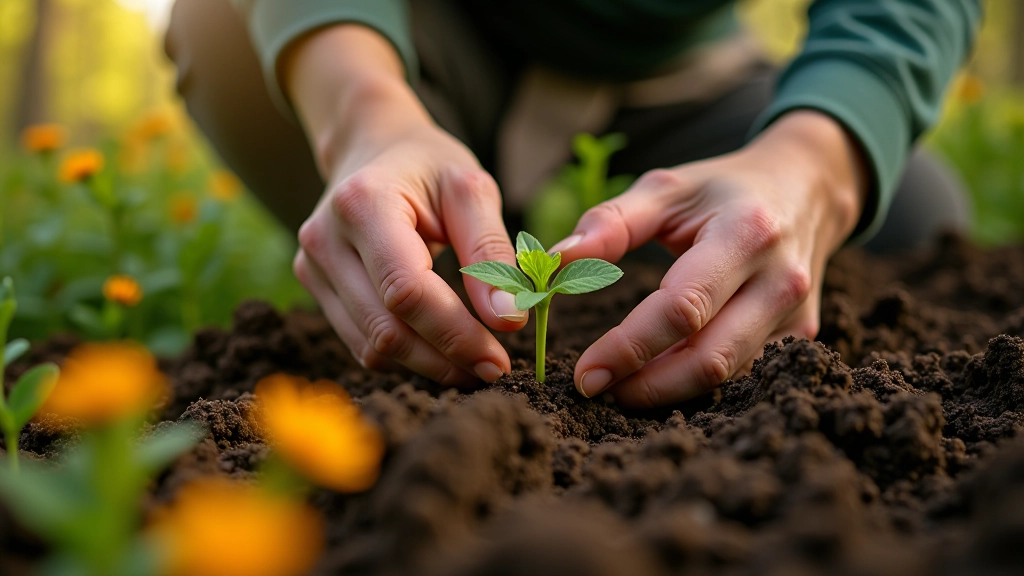
If you're thinking about creating your own meadow or wild garden, use this calendar as a guide. You can't force exact timing — weather varies, microclimates shift things by weeks. But knowing the general pattern helps you choose varieties.
Want spring color? Plant celandine, primrose, and early cowslip. Looking for consistent summer blooms? Oxeye daisy, knapweed, yarrow, and cornflower deliver. Need autumn structure? Teasel and heather are reliable.
The key isn't trying to replicate skanbell exactly. It's understanding how these flowers naturally progress through the seasons. Then you can work with that rhythm rather than against it.
This calendar isn't just about knowing when to pick flowers. It's about respecting how nature actually works in Skanbell. The meadows have their own timeline. Spring takes its time. Summer overwhelms. Autumn settles in. Winter rests. Understanding that rhythm makes you appreciate the flowers more. You're not fighting the seasons — you're working with them.
When you choose a wildflower bouquet from us, you're getting flowers at their peak for that time of year. That's not coincidence. It's planning, knowledge, and respect for what these meadows actually produce when.
This calendar reflects typical blooming patterns in skanbell based on our sourcing experience and local environmental observations. Actual flowering times vary by year depending on weather, temperature, and rainfall. The dates provided are general guidelines, not guarantees. Specific bloom times may shift by 1-2 weeks in either direction depending on seasonal conditions. For information about wildflower varieties, their characteristics, and care requirements, consult local gardening resources or environmental guides specific to your region.
Explore more about wildflower care and arrangements
Simple techniques for extending the life of your meadow flowers. We cover water changes, stem cutting, and placement tips that actually work.
Read more →
A guide to the wildflowers we're harvesting this summer. Includes information about each variety's characteristics and best uses in arrangements.
Read more →
Step-by-step instructions for creating balanced wildflower arrangements at home. Learn about proportion, color mixing, and structure.
Read more →